


Your home is more than a collection of rooms. It is the place where you begin your mornings, spend time with loved ones, relax after a busy day, and create everyday memories. Because of this, the way your space is arranged can have a surprising effect on your comfort and lifestyle. Smart room planning focuses on creating a home that works naturally with your routines. Instead of allowing spaces to sit unused or become difficult to manage, thoughtful layouts help every area serve a meaningful purpose. From improving movement between rooms to creating more flexibility, the right design choices can make a home feel easier and more enjoyable to live in.
Understanding How Layout Influences Daily Comfort
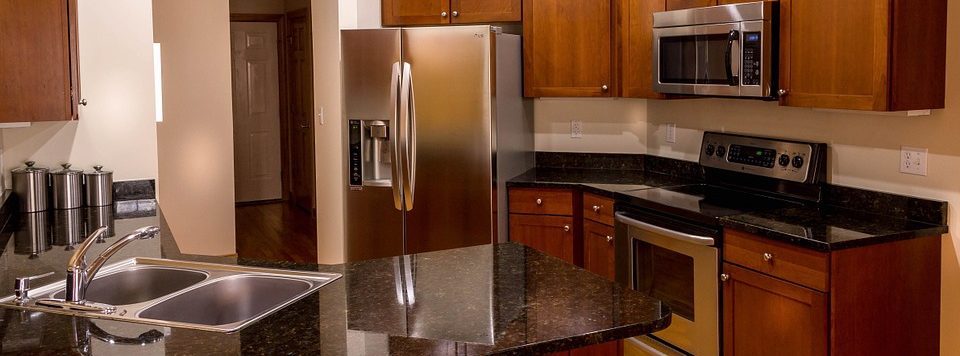
A home’s layout affects the way people move, interact, and complete everyday tasks. When rooms are positioned thoughtfully, daily activities become smoother and more convenient. A kitchen that connects well with dining and living areas, for example, can make family gatherings feel more natural. Good planning also helps avoid common frustrations such as limited storage, crowded walkways, or rooms that do not match the household’s needs. By considering how each space will actually be used, homeowners can create an environment that feels both practical and welcoming.
Rethinking Space Usage Through Modern Home Ideas
Home design conversations continue to evolve as people look for spaces that offer greater flexibility and comfort. Ideas from OK Magazin often explore changing preferences around how homes can better support the way people live today. Rather than focusing only on having more rooms, many homeowners are thinking about how existing spaces can perform multiple roles. A well-planned home can include areas for relaxation, hobbies, learning, entertaining, and everyday activities without feeling crowded. This approach allows homeowners to get more value from every part of their property.
Creating Flexible Rooms That Adapt to Change

A room does not always need to have only one purpose. Flexible spaces allow a home to adjust as lifestyles change over time. A spare bedroom can become a guest space when needed but also function as a quiet reading area, creative room, or personal retreat. This type of planning is especially useful for households with changing needs. As children grow, work routines shift, or hobbies develop, adaptable spaces allow a home to continue feeling useful without requiring major updates.
Improving the Flow Between Living Areas
The connection between rooms plays an important role in creating a comfortable home experience. Poorly arranged spaces can make the flow feel restricted, while a well-designed layout encourages easier transitions from one area to another. Shared areas such as kitchens, dining spaces, and living rooms benefit from thoughtful placement because they often become the center of household activity. Creating a natural flow between these areas can make the home feel more open while encouraging connection among family members.
Using Smart Storage to Maintain an Organized Home
Storage is one of the most important elements of effective room planning. Without enough practical storage solutions, even a beautiful home can quickly feel cluttered and difficult to manage. Built-in cabinets, hidden storage areas, and multifunctional furniture can help keep belongings organized while preserving valuable living space. When storage is included as part of the overall design, rooms feel calmer and more comfortable.
Bringing More Light and Balance Into Your Home

Natural light can completely change the atmosphere of a room. Smart planning considers window placement, furniture arrangement, and lighting choices to create spaces that feel brighter and more inviting. Rooms that receive good natural light often feel larger and more relaxing. Combining natural elements with thoughtful design can improve the overall mood of a home and make everyday spaces more enjoyable.
Designing Spaces That Support Family Life
A well-planned home should support the people who live in it. Family-friendly home features often come naturally from smart room planning because practical layouts prioritize comfort, safety, and convenience. Open gathering areas, easy-to-maintain surfaces, organized storage, and comfortable private spaces all contribute to a home that works for different needs. The goal is not simply to create attractive rooms but to design an environment where people can enjoy their daily routines.
Planning for the Future With Smarter Design Choices
The best home designs consider both current needs and future changes. A thoughtful layout can help a property remain functional as lifestyles evolve, making it a valuable long-term investment. Whether you are building a new home or improving an existing one, smart planning allows you to create spaces that remain comfortable, efficient, and adaptable for years to come.
Smart room planning can transform the way a home feels and functions. By focusing on flexibility, organization, and comfort, homeowners can create spaces that better support their everyday lives. A well-planned home is not just about appearance; it is about creating an environment that makes each day easier and …


 Low-maintenance gardening starts with selecting the right plants—specifically, those that can handle rough play and are safe for pets. Opt for tough, non-toxic perennials like daylilies, marigolds, coreopsis, and lavender. These plants bounce back quickly and need little watering or care once established. Ground covers such as creeping thyme or Irish moss are excellent choices because they’re soft on paws and can handle light traffic. Avoid toxic options to keep your pets safe.
 To truly minimize garden upkeep, consider installing a drip irrigation system or using soaker hoses. These systems deliver water directly to the roots, conserving water while saving you from daily watering duties. Cover your beds with mulch to retain moisture, prevent weeds, and discourage pets from digging. Choose pet-safe mulch like shredded pine or cedar for a clean, polished look that helps your plants and reduces overall garden care.
 Start with a neutral color palette. Whites, beiges, grays, and soft earth tones create a clean and calming base. They make rooms feel spacious and offer flexibility when you want to change accessories or introduce color. A neutral foundation allows you to refresh your space with ease. These colors work in any room and pair well with a wide range of materials. They don’t compete with other design elements. Instead, they allow furniture, art, and natural textures to take center stage.


 Selecting roofing materials is one of the most critical decisions you’ll make. Different options offer unique benefits and aesthetics. Asphalt shingles are popular for their affordability and variety. They come in multiple colors, making it easy to match your home’s style. Metal roofs stand out for their longevity and durability. They are resistant to harsh weather conditions and can even reflect heat, helping with energy efficiency. If you’re looking for something eco-friendly, consider a green roof or solar tiles.
 Finding the right contractor for your roofing


 A major benefit of installing energy-efficient windows is the potential increase in your home’s value. When it comes time to sell your house, having energy-efficient features can be a significant selling point for potential buyers. With rising concerns about climate change and increasing utility costs, many buyers actively seek homes prioritizing energy efficiency. Energy-efficient windows save homeowners money on their utility bills and enhance the overall comfort and aesthetics of a property. The appeal of lower monthly expenses combined with an environmentally friendly feature can attract more interested buyers and potentially lead to higher offers. Furthermore, investing in energy-efficient upgrades like windows demonstrates that you care about maintaining your home and its long-term sustainability.
 When buying a home, securing the right mortgage is crucial. Shopping around for the best mortgage rate that suits your financial situation and needs is important. Don’t just settle for the first offer you receive, as there might be better deals available elsewhere. It is known that some homeowners are qualified for mortgage forbearance. If you are in one and it is going to expire soon, you should know the next step to take by reading the article about

 You know how annoying it may be if you’ve ever had to deal with a clogged shower drain. Despite your best efforts with the plunger, the tub’s water is backed up and won’t drain. Fortunately, clearing a blocked shower drain on your own is possible without hiring a plumber. Just adhere to these easy steps:
 If your home has hardwood floors that are starting to show their age, you may be wondering if it’s time to refinish them. After all, refinishing hardwood floors can be a big job, and it’s not something you want to tackle unless necessary. However, before you decide to refinish your hardwood floors, you should know a few things. Some of the most common misconceptions about refinishing hardwood floors are you need to do it every few years, it’s a huge project, and it’s expensive.
 One of the best ways to fix a cracked glass is by using epoxy. Epoxy is a strong adhesive that can be used to bond two pieces of glass together. It dries clear and can be found at most hardware stores. To use epoxy, simply apply it to the crack with a putty knife or other similar tool. Once it is dry, the crack will be virtually invisible. In fact, many professional glass repair companies use epoxy to fix a cracked glass. Many homeowners prefer using


 One of the main reasons why more homes install water filtration systems is that the quality of tap water continues to decline. A recent study found that tap water quality in the United States has been declining for the past three decades. There are several reasons for this decline in water quality. One of the most significant reasons is the growing amount of pollution in our waterways.
 Those new to water filtration might be surprised to know that these systems come in various sizes and styles. There are small, under-the-sink models designed for one faucet and whole-house units that will filter all the water coming into your home. Some people prefer countertop models because they are easy to install and don’t require any permanent changes to your plumbing. Others prefer whole-house systems because they offer the peace of mind that all the water in your home is being filtered.
 One way to make your living room stand out is to add a pop of color. This can be done in several ways, such as adding a brightly colored piece of furniture or painting an accent wall. If you’re not sure which route to go, why not try both? A colorful living room is sure to be a conversation starter. You need to ensure that you do not overdo adding color because too much of it can be overwhelming.
 Another great way to make your living room stand out is to place a large piece of art on the wall. This will add instant interest and can be used as a focal point in the room. If you don’t have any art that you love, consider shopping at a local flea market or thrift store. You never know what you might find. You can find a lot of great artwork online as well.
 One of the simplest ways to create a healthy home is by allowing natural light in. Try to keep your windows uncovered and brighten up your home with some fresh air when possible. Not only will this help you feel more alert and awake, but it can also improve your mood.
 Creating a designated family space can help promote bonding and togetherness. It also gives you a place to keep all of your cherished mementos, such as family photos or children’s artwork.
 One of the best ways to make your home healthier is by using restorative materials in your house. For example, you can use natural fibers like cotton instead of synthetic ones such as nylon or polyester; these fabrics will allow air movement through them more quickly than synthetics do, so they won’t trap heat and moisture against your body bacteria could grow.
 The first step in choosing a water treatment is to do extensive research. There are many different types of treatments available, and each one has its own benefits and drawbacks. It is important to find the right treatment for your specific needs. When narrowing down your search, you need to decide between whole house, point of entry, or pitcher treatments. Whole-house filter systems are much more expensive than other filters, but they treat the entire water supply in your home equally.
 It is important to consider your specific needs when choosing a water treatment. If you are looking for a filter that will remove chlorine and other chemicals from your water, you should look for a system that explicitly mentions these contaminants. Some treatments are better at removing certain types of contaminants than others. You also need to consider the size of your home and how much water you use daily. Some treatments work best for small households, while others are more suited for larger homes.